


Starting cardio as a beginner can feel overwhelming, but it doesn’t have to be. The key is to choose simple, low-impact exercises that fit your fitness level and goals. Here’s how to get started:
- Pick beginner-friendly activities like walking, swimming, or stationary cycling.
- Start small with 10–15 minutes of light exercise, then gradually increase duration and intensity by no more than 10% weekly.
- Focus on safety: Warm up, cool down, and monitor your heart rate to stay in your target zone (50–65% of your max heart rate).
- Match your goals: Choose activities based on what you want - weight loss, endurance, stress relief, or energy boosts.
- Track progress: Use tools or apps like PlaisirFit to monitor your improvements and stay motivated.
Consistency and enjoyment are crucial. Find exercises you like, set achievable goals, and build a routine you can stick with over time.
Low Impact Beginner Cardio Workout - Recovery Cardio
Check Your Current Fitness Level
Knowing where you stand fitness-wise helps you pick cardio exercises that match your abilities. Here's how to assess your starting point.
Measure Your Basic Fitness
Try these simple tests to get a snapshot of your fitness:
- 1-Mile Walk Test: Walk a mile at a brisk but manageable pace and time yourself. Most healthy adults finish in 15-20 minutes. Note your time and check your heart rate right after.
-
Heart Rate Zones: Calculate your maximum heart rate by subtracting your age from 220. Beginners should aim for 50-65% of this number. For instance, if you're 35:
- Maximum heart rate: 220 - 35 = 185 bpm
- Target zone: 93-120 bpm
- Talk Test: While exercising, you should be able to chat without struggling for air. If you can't say more than a few words, you're likely pushing too hard.
Once you've completed these tests, make sure your overall health is in check before diving into a new routine.
Health Checks Before Starting
Here are a few steps to ensure you're exercising safely:
- Medical Clearance: If you're over 40, have been inactive for six months or more, or have conditions like heart disease, diabetes, or high blood pressure - or if you experience symptoms like chest pain or dizziness - consult your doctor first.
-
Physical Readiness Metrics: Track basic health indicators like:
- Resting heart rate (best measured in the morning)
- Blood pressure
- Body weight
- Waist circumference
For personalized tracking, tools like PlaisirFit's beginner assessment can help. It monitors these metrics and adjusts workout intensity as you progress, keeping you on track for steady improvement.
Types of Cardio Exercise
Cardio workouts come in many forms, catering to different fitness levels and goals. Here's a breakdown to help guide your choices.
High vs. Low Impact Exercises
Your fitness level and physical limitations will determine the best option for you.
| Impact Level | Examples | Best For | Things to Keep in Mind |
|---|---|---|---|
| Low Impact | Walking, swimming, cycling, elliptical | Beginners, those with joint issues, recovery periods | Easier on joints and reduces the risk of injury |
| High Impact | Running, jumping rope, aerobic dance | Boosting bone strength, burning calories | Requires good form to prevent injuries |
If you're just starting out, low-impact exercises are a safer choice. They help you build stamina and strength without putting too much strain on your joints.
Continuous vs. Interval Cardio
Continuous Cardio:
- Keeps a steady pace throughout the workout.
- Great for developing endurance.
- Easier to track and control intensity.
Interval Cardio:
- Alternates between intense bursts and recovery periods.
- More challenging but efficient in less time.
- Helps improve overall fitness levels.
- Best suited for those with a basic fitness foundation.
Think about which style matches your current fitness level and goals before diving in.
Best Cardio for Beginners
If you're a beginner, focus on exercises that are easy to start with and fit your fitness level. Here are a few simple options:
- Walking: One of the easiest ways to get moving. Start with 15-20 minutes at a pace that feels comfortable. As your fitness improves, increase the time and speed gradually.
- Swimming: A full-body workout that's gentle on your joints. Begin with 10-15 minutes of light swimming, paying attention to your breathing and form.
- Stationary Cycling: Provides controlled resistance and intensity. Start with 15-minute sessions at a low resistance level, keeping a steady pace you can talk through.
"PlaisirFit aims to make fitness accessible, simple, and enjoyable for beginners." Their platform offers easy-to-follow instructions for home-based cardio workouts, making it a great resource for those just starting out.
Choose activities that feel manageable, fit into your routine, and allow for steady progress over time. Consistency is key!
sbb-itb-d98c2fb
Match Cardio to Your Goals
Once you've evaluated your fitness level, choose cardio exercises that align with what you want to achieve.
Set Clear Fitness Goals
Pair your cardio routine with your specific objectives. Different activities are better suited for different results. Here's a quick guide:
| Goal | Recommended Cardio | Why It Works |
|---|---|---|
| Weight Loss | Walking, swimming, cycling | These lower-impact options let you exercise longer while steadily burning calories. |
| Endurance Building | Jogging or other steady cardio | Helps improve cardiovascular strength over time. |
| Stress Relief | Outdoor walking, gentle swimming | Combines soothing environments with rhythmic movement to ease tension. |
| Energy Boost | Morning cycling, brisk walking | Boosts circulation and energizes without overexertion. |
Your goals can also help you decide the best environment and setting for your workouts.
Choose Between Gym and Outdoor Exercise
Where you work out matters. Pick a setting that supports your fitness goals.
Gym-Based Cardio:
- Controlled environment with consistent conditions
- Access to a variety of equipment
- Professional trainers available
- Structured and focused atmosphere
Outdoor Exercise:
- Enjoy fresh air and scenic views
- No membership fees
- Flexible timing and varied terrains
- Natural elements add challenges
Home Workouts:
- Ultimate convenience
- Private and comfortable setting
- No commute required
- Access to online classes and tutorials
Pick Individual or Group Workouts
Whether you work out solo or with others can impact your motivation and results.
Individual Workouts:
- Let you set your own pace
- Allow more focus on form and technique
- Fit well into tight schedules
Group Activities:
- Keep you accountable
- Add a social element to your routine
- Provide structured plans and expert coaching
Experiment with both approaches for a week to see what keeps you motivated. Many people mix solo and group workouts depending on their mood, schedule, or energy levels. Find what works best for you.
Build a Safe Exercise Plan
To make steady progress, start with a level you can handle and slowly increase intensity. Focus on mastering proper form before adding more challenges.
Start Small and Build Up
| Week | Duration | Intensity Level | Example Activities |
|---|---|---|---|
| 1-2 | 10-15 mins | Light | Brisk walking, gentle cycling |
| 3-4 | 15-20 mins | Light to moderate | Walking intervals, stationary bike |
| 5-6 | 20-25 mins | Moderate | Power walking, swimming laps |
| 7-8 | 25-30 mins | Moderate to vigorous | Light jogging, elliptical |
Stick to increasing your workout intensity or duration by no more than 10% per week. This gradual approach helps you build a solid routine without overloading your body.
Weekly Exercise Schedule
A well-structured weekly plan improves fitness while reducing the risk of overtraining.
Aim for 3–4 sessions each week, with rest days in between. Every session should include a warm-up, your main cardio activity, and a cool-down with light stretching.
Key parts of each workout:
- Warm-up: Gentle movements to get your blood flowing.
- Main cardio activity: The primary exercise at your chosen intensity.
- Cool-down: Slow, easy movements to bring your heart rate down.
- Light stretching: Helps ease muscle tension and reduce soreness.
Watch for Exercise Warning Signs
Pay attention to your body to stay safe while following your plan.
Stop immediately if you notice:
- Sharp or sudden pain
- Dizziness or lightheadedness
- Chest pain or pressure
- Difficulty breathing
- Extreme fatigue
Signs you should ease up:
- You can’t carry on a conversation while working out.
- You feel drained instead of energized after exercise.
- Muscle soreness lingers for more than 48 hours.
- You have trouble sleeping or changes in appetite.
- Your performance drops in later workouts.
- Your form starts to break down during activities.
Tools and Apps for Beginners
Digital tools can make tracking your cardio workouts both easier and more motivating. When picking a fitness app, focus on features that suit your experience level and offer clear guidance to ensure proper technique. This aligns with the gradual, safe progress we've emphasized earlier.
| Feature | Why It Matters |
|---|---|
| Step-by-step instructions | Helps maintain correct form and avoid injury |
| Progress tracking | Lets you see your improvements over time |
| Simple interface | Keeps navigation stress-free for beginners |
| Adjustable workouts | Adapts to your fitness level |
| Community support | Adds motivation and accountability |
With these features in mind, let’s take a closer look at how one app integrates them effectively.
Getting Started with PlaisirFit
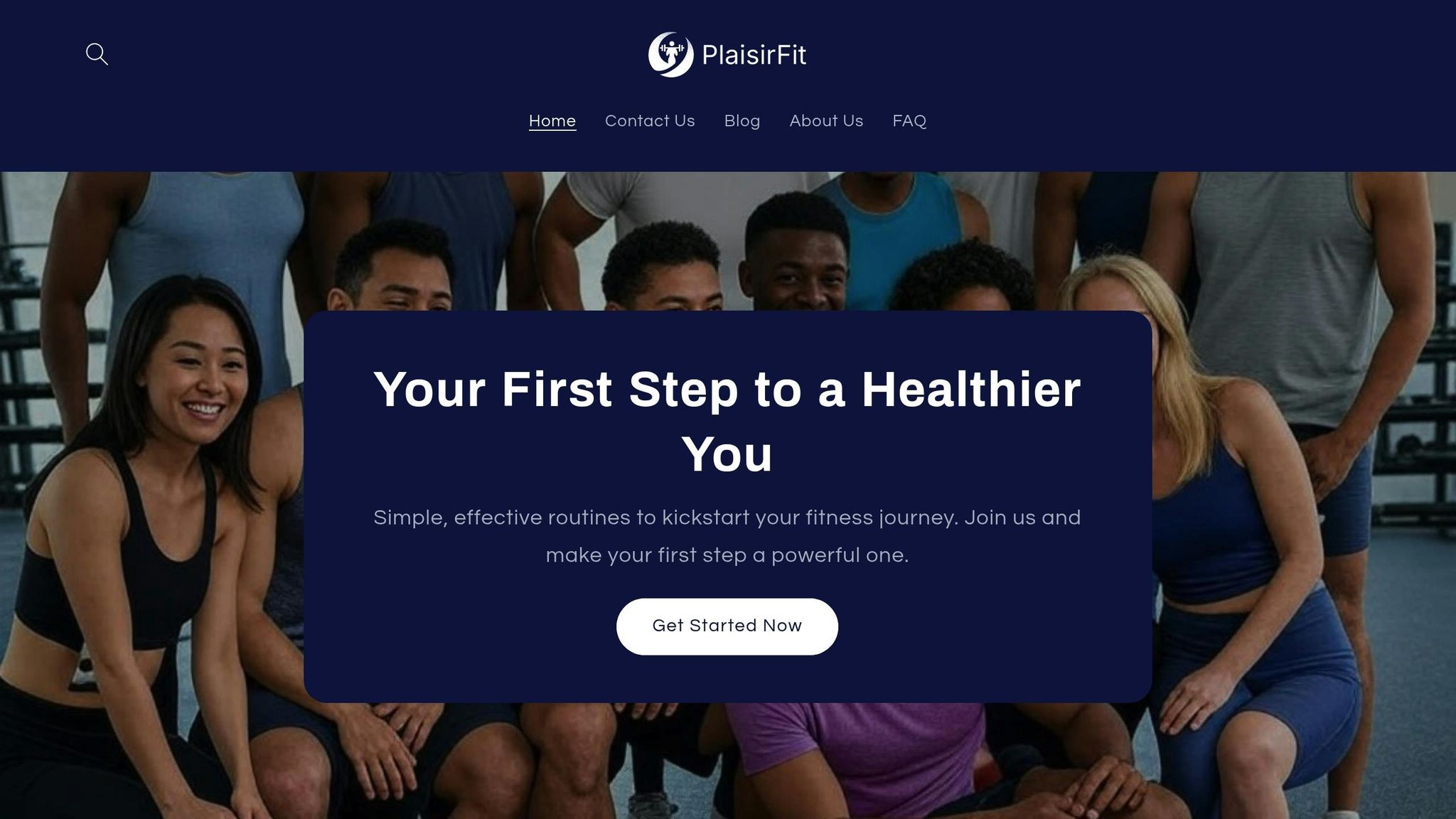
PlaisirFit is a great option for those new to cardio. Its structured setup helps beginners build confidence with guided workouts and expert advice.
Why beginners love it:
- Clear instructions to ensure proper form
- Workouts customized to your fitness level
- Access to certified trainer guidance
- A welcoming, supportive community
- Minimal equipment needed for home workouts
The free version offers basic routines and access to community forums, making it a solid starting point for beginners.
Pro tip: Start with the free plan to explore the app’s features and establish a consistent routine before deciding to upgrade.
- Stick to the recommended workout paths
- Log your sessions regularly
- Engage with the community for tips and support
- Set small, achievable weekly goals
- Review your progress every month
Apps like PlaisirFit can make your fitness journey smoother, complementing the step-by-step progress we've discussed throughout this guide.
Begin Your Cardio Journey
Getting into cardio doesn’t have to be complicated. Picking activities that fit your lifestyle can help set up a routine you’ll actually stick with over time.
PlaisirFit emphasizes that fitness should feel approachable and enjoyable, especially for beginners. Their method focuses on starting small and building gradually.
Here are some key aspects of creating a cardio routine that works:
| Element | How to Apply It |
|---|---|
| Accessibility | Begin with exercises you can do at home with little to no equipment. |
| Consistency | Set 2-3 workout times each week that fit your schedule. |
| Enjoyment | Pick activities you genuinely look forward to doing. |
| Progress | Use workout apps or a simple log to track your improvements. |
| Support | Join a workout group, find a buddy, or connect with online communities. |
By tailoring these elements to your own preferences, you can create a cardio routine that feels natural and sustainable.
Whether it’s a walk around your neighborhood or a fun group class, the best cardio routine is the one you’ll keep doing. Start with something simple and enjoyable, and build on it over time. With consistency and the right tools, you’ll create habits that stick.